
10 Questions You Should Ask Your Dentist About Your Mouth
Most of us sit in the dentist’s chair, nod along, and leave without asking a single question. That’s a missed opportunity. Your check-up is the one time a trained professional is looking closely at your teeth, gums and mouth, and the more you ask, the more useful that appointment becomes.
If you work around Barbican, Moorgate, St Paul’s or Liverpool Street, your time is valuable. These ten questions will help you get real value from every visit and take a preventative approach to your oral health, rather than waiting for problems to appear.
1. How healthy are my gums, really?
Gum disease is one of the most common causes of tooth loss in adults, and early stages are often painless. At a check-up, your dentist will usually carry out a Basic Periodontal Examination (BPE), which measures the pockets around your teeth. Ask what your scores are and whether any areas need attention. It’s a simple number that tells you a lot.
2. Can you see any early signs of decay?
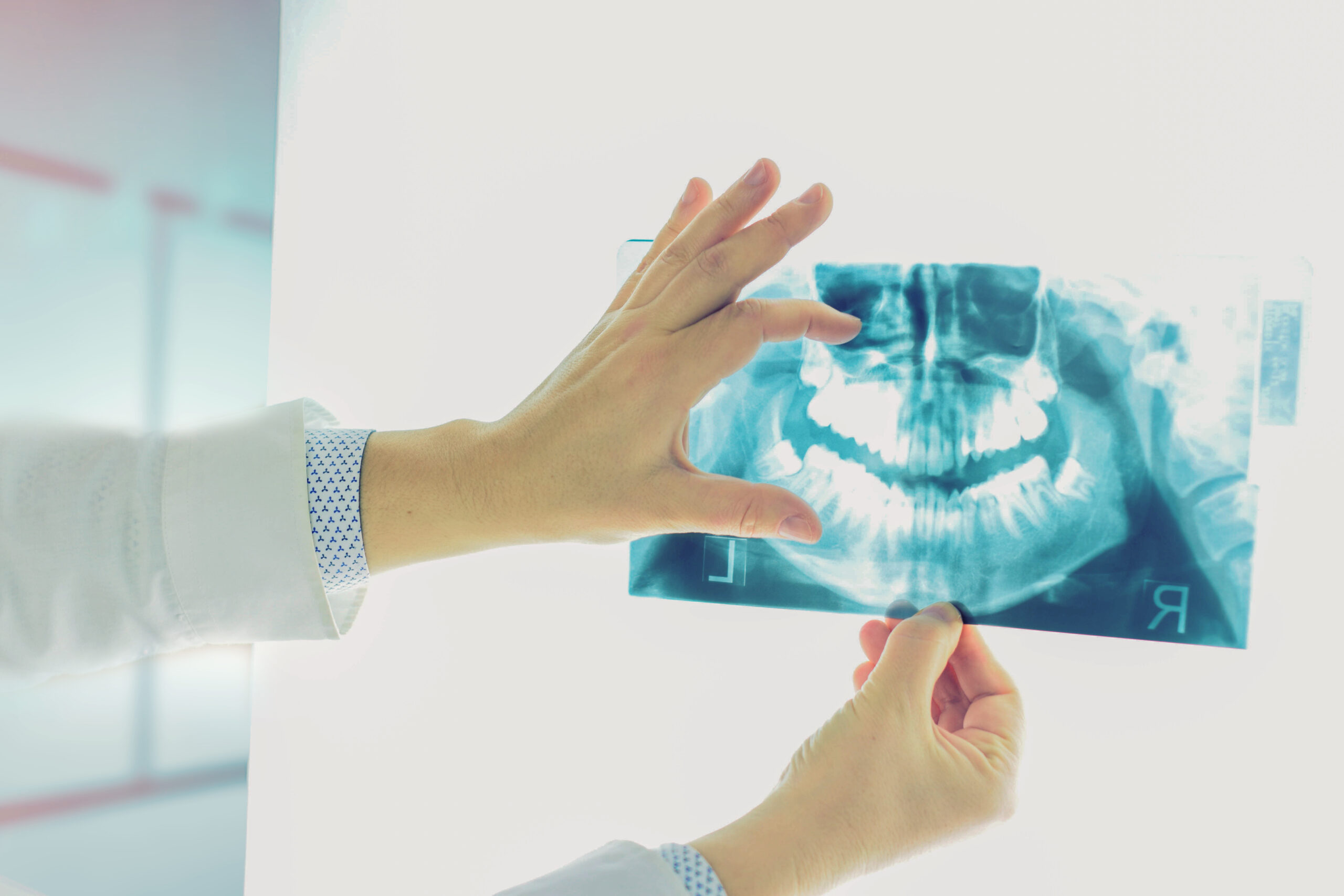
Small areas of decay can often be stopped or reversed with better cleaning, fluoride and diet changes before they need a filling. Ask whether anything is worth monitoring, and when your last X-rays were taken, since some decay between teeth can only be seen on a radiograph.
3. Is my brushing and flossing actually working?
Plenty of people brush twice a day and still miss the same spots every time. Ask your dentist or hygienist where plaque is building up and whether your technique needs adjusting. If you use interdental brushes, ask which sizes suit your gaps, because the wrong size won’t clean effectively.
4. How often should I have a hygiene clean?
There’s no one-size-fits-all answer. Some people do well with a clean every six months, while others benefit from every three to four months, particularly if they smoke or have a history of gum problems. Ask what interval is right for you based on what your dentist can see, not a generic rule. Our hygiene team can tailor this to you.
5. Am I grinding or clenching my teeth?
Stress, long hours and screen-heavy work can all lead to clenching or grinding, often at night without you realising. Signs include worn edges, small chips, jaw ache or morning headaches. Your dentist can spot the wear and talk you through options such as a custom night guard to protect your teeth.
6. Is my diet causing wear or erosion?
Coffee, sparkling water, fruit teas, wine and sports drinks are all part of city life, but many are acidic and can gradually wear away enamel. Ask whether you’re showing signs of erosion and what small changes would make the biggest difference, such as timing, using a straw, or waiting before brushing after acidic drinks.
7. Have you checked for signs of mouth cancer?
Dentists routinely examine the soft tissues of your mouth, tongue, cheeks and throat during a check-up. It only takes a moment, but it’s worth asking so you know it has been done and what they look for. Mouth cancer is more treatable when caught early, and knowing your own risk factors helps you stay alert between visits.
8. Are my existing fillings and crowns still in good condition?
Fillings, crowns and other restorations don’t last forever. Ask whether any are showing signs of wear, leaking at the edges or cracking. Planning a replacement in advance is usually simpler and less costly than dealing with a broken tooth or an urgent root canal treatment.
9. Is my bite or tooth alignment causing any problems?
Crowded or crooked teeth aren’t only a cosmetic concern. They can be harder to clean, which raises the risk of decay and gum disease, and an uneven bite can cause wear or jaw discomfort. If alignment is an issue, ask whether Invisalign or other clear aligners might help.
10. If you could change one thing about my oral health, what would it be?
This is often the most useful question of all. It invites your dentist to give you their honest, prioritised opinion. It might be a change to your cleaning routine, a treatment worth considering, or a cosmetic option such as composite bonding or teeth whitening if you’d like to improve your smile.
A Check-Up That Works Around Your Day
At Barbican Dental, we believe in honest, straightforward advice and a preventative approach to dentistry. Our team of general dentists, specialists and hygienists takes the time to answer your questions properly, so you leave with a clear picture of your oral health and what, if anything, needs doing.
We’re a short walk from Barbican, Moorgate, St Paul’s and Liverpool Street, with appointments designed to fit around the working day. We accept all dental insurance, including BUPA dental insurance.
Book your check-up online and bring your questions with you.
Frequently Asked Questions
What should I ask my dentist at a check-up?
Useful questions include how healthy your gums are, whether there are early signs of decay, whether your cleaning routine is working, how often you should have a hygiene clean, and whether you show signs of grinding or enamel erosion.
How often should I have a dental check-up?
It depends on your oral health. UK guidance allows for recall intervals between three months and two years, and your dentist will recommend a frequency based on your individual risk of decay and gum disease.
Does a dentist check for mouth cancer during a check-up?
Yes. A routine dental examination includes checking the soft tissues of your mouth, tongue and throat for any unusual changes. If you have concerns, mention them to your dentist.
Can my dentist tell if I grind my teeth?
Usually, yes. Worn or flattened tooth edges, small chips and tenderness in the jaw muscles are common signs. Your dentist can recommend ways to protect your teeth, such as a custom night guard.
Does dental insurance cover check-ups at Barbican Dental?
We accept all dental insurance, including BUPA. Many plans cover routine examinations and hygiene visits, so check your policy details or ask our team when you book.